

Thank you for Subscribing to Hospitality Business Review Weekly Brief
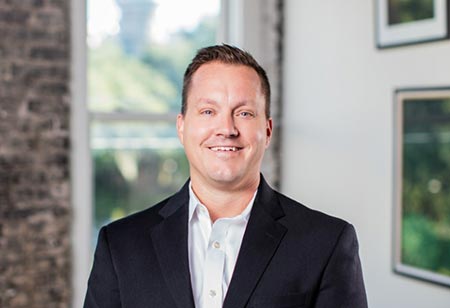
Through this article, Bryan Drackett explains why developing leaders from within is the most powerful way to strengthen culture and elevate guest experiences. He shares a practical framework—built on conversation, mentorship, investment, and celebration—for transforming everyday associates into the next generation of hospitality leaders.
Picture this. A keynote speaker at your hotel realizes his laptop charger is a thousand miles away, and he’s on in ten minutes. A family, just off a brutal flight, shows up for dinner only to learn their reservation is for the following night. In these moments that can make or break a guest’s experience, who do you want solving the problem? The manager you just hired from a competitor, armed with an impressive resume? Or the one who started out working at your front desk?
I’ll bet on the associate who was developed internally every time.
There’s a classic pushback, of course: “We just don’t have time to train.” I get it. It feels faster to hire someone who has already “done the job.” But this thinking seems to miss a fundamental truth about our industry. It took me a while to learn this, but you can teach almost anyone how to read a profit and loss (P&L) statement or manage inventory. What you can’t easily teach is the intuition that comes from knowing your hotel’s quirks, your team’s chemistry, and your company’s culture. We’ve all hired someone who was great on paper but just never seemed to click. That’s the culture part, and you can’t force it.
We decided to stop treating internal promotion as a happy accident and make it a core part of our business strategy. In 2023, 30 percent of our management hires came from within. Last year, we hit 40 percent. The change felt more cohesive, and leadership just felt more connected to the day-to-day realities. Our goal for 2025 is to have 50 percent of our new managers come from our own ranks.
So how do you actually do it? It requires real thought and effort.
1. It starts with a simple conversation. I don’t mean during a formal performance review. It’s about asking your people what they want. What parts of the business excite them? Do they have a quiet ambition to move from the kitchen to the front of the house? Are they genuinely driven, or just saying what they think you want to hear? This conversation is the starting point for everything. Without it, you’re just guessing, or worse, you’re missing the allstar right in front of you.
2. Then, you must show them the way. Once you know someone has ambition, a vague promise of ‘growth’ is just fog. They need a blueprint (map). We work on laying out clear, achievable career paths. If you’re a line cook and aspire to become a sous chef, here are the three skills you need to master, along with the leadership traits we look for. When people see what is required, they’re much more likely to start making the effort.
3. Then comes the real work: investment. This isn’t just about a training budget. It’s about investing your own time. It means letting a promising front desk supervisor sit in on a revenue management meeting. It means giving them a small, low-stakes project to lead. It’s about mentorship and demonstrating your personal commitment to their success. This is what builds the kind of loyalty that money can’t buy. Here is the kicker, and what many managers struggle with. You must allow them to succeed or fail. Your job isn’t to prevent them from falling; it’s to be there to help them understand the lesson and support them in getting back on their feet.
4. Finally, celebrate the wins—loudly. This might be the most overlooked step. When someone gets that promotion, make it a big deal. Announce it in the team newsletter and at the all-hands meeting. Seeing their friends and colleagues move up does more to motivate the rest of the team than any motivational poster ever could. It sends the clearest possible message: your hard work will be rewarded here.
Ultimately, building your leaders from within isn’t just some feel-good HR program. It’s arguably the most effective way to protect the consistency and quality of your guest experience. The talent is already in the building. It’s time to stop looking past it.
I agree We use cookies on this website to enhance your user experience. By clicking any link on this page you are giving your consent for us to set cookies. More info

However, if you would like to share the information in this article, you may use the link below: